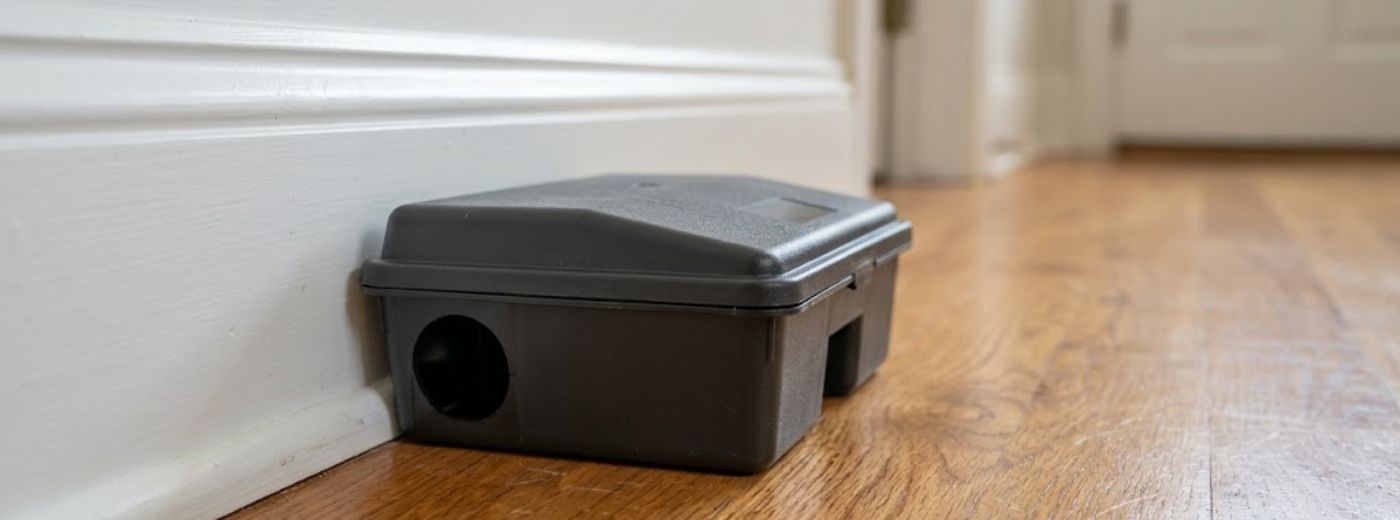
Snap trap placed along wall-floor junction for rat control service in Macon GA home

Rat control services in Macon, GA

Norway rat and roof rat removal across Bibb County. Inspection, species identification, targeted treatment, entry-point sealing, and a follow-up visit to confirm the job held, all built for Macon's housing stock and climate.

Call (844) 635-0403 All services Free Inspection · Same-Day Response · No Obligation
LicensedInsuredLocally OwnedOpen 24/7

Rat control service in Macon, GA covers two distinct species that require different treatment approaches, and Bibb County sees both. Norway rats are the heavy-bodied burrowers that colonize the Ocmulgee river banks, push into downtown alleys, and work their way into crawl spaces and basements through foundation gaps. Roof rats are the agile climbers that travel the mature pecan-and-live-oak canopy through Vineville, Ingleside, and Shirley Hills, entering homes at roofline level through soffit vents, ridge gaps, and dormer joints. Treating one as if it were the other wastes time and money. Every rat job starts with species confirmation, because the treatment plan follows the species, not a generic checklist.

The Macon rat problem in plain terms

Two geographic features drive most of Macon's rat pressure, and understanding them helps explain why the calls never really stop. The Ocmulgee River corridor runs through East Macon and along the southern edge of downtown, supporting lasting Norway rat burrow colonies in the banks and levee faces. Those colonies push upland into homes during heavy rain, a predictable seasonal pattern we see every time a named storm moves through Middle Georgia. Commercial alleys off Cherry Street and around the Mercer University corridor maintain Norway rat populations year-round, and those populations constantly probe adjacent residential properties.

The canopy problem is different. The pecan and live-oak trees that give Vineville, Ingleside, and Shirley Hills their character are the same trees that give roof rats a continuous aerial highway. A branch overhanging a roofline by six inches is enough. Once a roof rat colony establishes in an attic, the population grows fast. A single mated pair can produce 40 offspring in a year. The soffit vents and ridge returns of Macon's early-1900s housing give them all the nesting space they need. The problem compounds across seasons if it isn't addressed at both the infestation and the entry point simultaneously.

Norway rats vs. roof rats in Bibb County

TraitNorway ratRoof rat
Scientific nameRattus norvegicusRattus rattus
Body + tail length10–12 inches7–10 inches
BuildHeavy, blunt-nosedSlender, pointed nose, large ears
Nest locationBurrows, crawl spaces, basementsAttics, upper walls, tree cavities
How they enter homesFoundation gaps, garage thresholds, utility penetrations at gradeRoof returns, soffit vents, dormer joints, overhanging branches
Peak Macon pressureFall/winter cold snaps; post-flood displacementLate summer attic nesting; year-round in heated spaces
Common Macon neighborhoodsEast Macon, Fort Hill, Downtown, commercial corridorsVineville, Ingleside, Shirley Hills, Bloomfield
Primary treatmentSnap traps + crawl space exclusion + foundation sealingSnap traps + roofline exclusion + canopy access trimming

Our rat control process

Four steps, every job. What varies is the depth at each step, a single Norway rat entry point on a newer home is faster than a full roof rat program on a 1915 Vineville bungalow. The process doesn't change.

1

Inspect

Full property walk: roofline, attic, crawl space, foundation perimeter, utility penetrations, garage, and outbuildings. We map every gap larger than a half-inch. On older Macon homes this takes 45–90 minutes done properly.

2

Identify

Species confirmation from droppings size and shape, runway evidence, gnaw patterns, and entry-point location. Norway vs. roof rat changes everything downstream, trap placement, exclusion materials, and the structural areas that need sealing.

3

Treat

Targeted snap traps placed on confirmed runways, in attic corners, and along crawl space perimeters. We don't use interior rodenticide, it creates decomposition problems and doesn't close the entry point that caused the infestation.

4

Exclude & follow up

Every identified entry point sealed with rodent-grade materials, copper mesh, hardware cloth, foam backer, and exterior sealant. Follow-up inspection scheduled 2–4 weeks out to verify no return activity before we close the job.

Same-day rat removal across Bibb County, call now

Call (844) 635-0403
Licensed & insured Locally owned, Vineville-based Founded 2023 24/7 emergency response

What the work actually involves

Rat control in Macon is fundamentally exclusion work with a removal phase. Removing the rats present without closing entry points leaves an open invitation. The next cohort comes from the same colony. Norway rat colonies in the Ocmulgee corridor are large enough that even a sealed home gets probed within weeks. That holds when the home is surrounded by unsealed neighbors. The removal phase (snap traps) clears the current infestation; the exclusion phase (sealing) is what makes the result last.

Roof rat exclusion, what Macon homes actually need

A standard roof rat exclusion on a pre-1960s Macon home covers several zones. Ridge vent inspection and resealing. Soffit return capping with hardware cloth. Gable vent screening. Dormer flashing inspection. Downspout termination gaps. Any roofline-level utility penetrations. Homes with mature tree canopy overhanging the roof also need canopy clearance, we identify which branches to trim, though the trimming itself is arborist work we'll coordinate separately if needed.

Norway rat exclusion, crawl space and foundation work

Norway rat exclusion focuses on the lower envelope. That means foundation vents with damaged or absent screens. Block gaps at the mudsill. Utility entry points below grade. Garage threshold gaps. Any crawl space access hatches without secure closures. Pre-1970s Macon housing almost always has multiple entry points, average jobs close 4–8 gaps, though complex older homes run higher.

Pricing guidance

Rat control pricing in Macon depends on three variables: species, severity (how large and how established the colony is), and how much exclusion work the property needs. These ranges reflect typical Bibb County residential jobs, commercial work is priced separately.

Single entry, limited exclusion

$350 – $600

One confirmed entry point, contained infestation (3–5 rats), sealing of 1–3 gaps. Common on newer building with limited canopy access.

Standard residential program

$600 – $1,100

Inspection, treatment, exclusion of 4–8 entry points, and follow-up visit. Most Bibb County single-family homes fall here.

Full historic home program

$1,100 – $1,800

Pre-1970s housing with multiple species access routes, complex roofline, crawl space, and canopy work. Vineville / Ingleside bungalows often land here.

Inspection only

Free

Full property inspection with written entry-point map and treatment recommendation, no obligation to proceed.

What changes the actual number:
  • Species: Norway rat (crawl-space and foundation work) versus roof rat (roofline and canopy work)
  • How established the colony is and how many entry points are active
  • Whether the home is pre-1940 (typically 10-18 entry points) or post-1960 (typically 4-8)
  • Crawl space access conditions and any heritage-material exclusion needed

Want a real number for your situation? Call (844) 635-0403 for a free on-site inspection. Written quote before any work begins.

Rat control areas in Macon and Bibb County

We handle rat jobs across all of Bibb County. Below are the neighborhoods and towns we most frequently serve for rat-specific work, each links to an area page with local detail on the specific pressures in that neighborhood.

What gets cleaned versus what gets replaced after a rat infestation

Most homeowners are surprised by which materials can be salvaged and which can't. The general rule: anything that absorbed rat urine is replaced. Anything with surface-level dropping contact can usually be cleaned.

Material or itemSalvageable?Outcome or criteria
Hardwood flooring (surface droppings)YesSanitize with enzyme treatment, no refinish needed if caught early
Hardwood flooring (urine soaked, sustained)NoReplace the affected boards or refinish if surface only
Drywall (surface contact only)SometimesClean if caught within 24-48h, repaint with sealer primer
Drywall (chewed corners or gnaw damage)NoPatch and replace the damaged section
Blown attic insulation (light contamination)SometimesSurface enzyme treatment, then monitor air quality
Blown attic insulation (urine staining or nesting)NoRemove fully and replace, surface treatment won't reach the contamination
Cardboard storage boxes (any rat contact)NoDiscard, pathogen risk persists despite cleaning
Upholstered furniture (light dropping contact)SometimesSteam clean plus enzyme sanitization, monitor for odor
HVAC ductwork (droppings in system)NoPro duct cleaning required, then UV treatment
Electrical wiring (gnaw damage)NoLicensed electrician replacement, fire hazard if left

Every materials decision goes in a written report before any removal. The decision protects both your records and any insurance documentation.

Frequently asked questions, rat control in Macon

What species of rats are most common in Macon, GA?

Two species drive almost all rat calls in Macon: Norway rats (Rattus norvegicus) and roof rats (Rattus rattus). Norway rats are heavier, ground-burrowing animals most common near the Ocmulgee corridor, downtown alleys, and commercial-edge properties. Roof rats are agile climbers common in the mature pecan and live-oak neighborhoods of Vineville, Ingleside, and Shirley Hills, where tree canopy gives them direct attic access.

How quickly can you respond to a rat call in Macon?

Same-day inspections are standard for confirmed or suspected rat activity across Bibb County. Calls placed before 9 a.m. usually get an afternoon inspection slot. We're open 24/7, after-hours calls for active infestations get next-morning slots at minimum.

How much does rat control cost in Macon?

Standard rat control in Macon runs $350 to $1,800 depending on species, severity, and how much exclusion work is needed. A single Norway rat entry with minor foundation sealing sits at the low end. A full roof rat program on a 1915 Vineville bungalow reaches the upper end. Inspections are free.

What's the difference between Norway rats and roof rats?

Norway rats are larger (10–12 inches body plus tail), heavyset, and ground-oriented, they burrow, nest in crawl spaces, and travel along foundations. Roof rats are smaller (7–10 inches), agile, and arboreal, they climb trees, run along fences and power lines, and enter homes at roofline level. Treatment approach differs a lot between the two.

Do you handle rat problems in crawl spaces?

Yes. Crawl space Norway rat activity is one of our most common call types in Bibb County. Pre-1970s Macon housing almost universally has unencapsulated crawl spaces with foundation vents, block gaps, and pipe penetrations that rats exploit. We inspect, remove, and seal, then schedule a return visit to verify before closing the job.

Are rat treatments safe around pets and kids?

Yes. Our default approach is snap traps and exclusion sealing rather than rodenticide, because exclusion is faster and avoids the wall-decomposition risk that poison creates. When exterior bait stations are right, they're tamper-resistant and placed out of reach.

Why do Vineville and Ingleside homes get so many roof rats?

Two reasons: the mature pecan and live-oak canopy gives roof rats a continuous aerial highway, and the early-1900s building has wood-shingle ridge vents, open soffit returns, and knee-wall voids that act as ready-made nesting sites. Treating the infestation without trimming canopy access and sealing the roofline is a temporary fix.

How long does rat control treatment take?

Initial inspection takes 30–60 minutes. Treatment visits run 1–3 hours. Exclusion work takes 2–6 hours for typical residential properties, longer on larger or more complex homes. A follow-up inspection is scheduled 2–4 weeks after completion.

Do you provide a warranty on rat exclusion work?

Every exclusion job includes a follow-up inspection to verify no return activity. If a sealed entry point opens back up within 90 days of the completed job, we re-seal at no charge.
Related services

📞 Call (844) 635-0403. Open 24/7