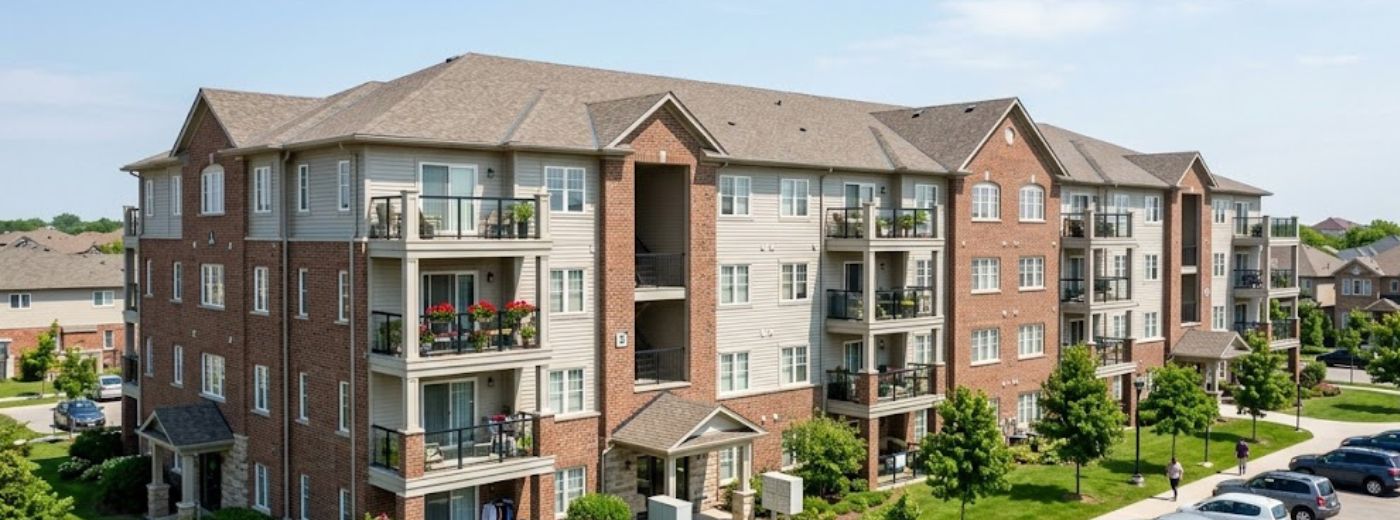
Apartment & property management rodent control in Macon
Multi-unit building programs with tenant coordination, compliance records, and ongoing monitoring options, for Bibb County property managers who need the job done right and the paperwork to prove it.
Rodent control for Macon apartments and rental properties is a property management problem. It's not just a pest problem. Multi-unit work brings its own issues. Tenant notification. Legal access rules under Georgia landlord-tenant law. Records for upkeep files and possible habitability disputes. And one structural reality. Multi-unit buildings share wall cavities, crawl spaces, and pipe chases. A unit-by-unit approach doesn't fully cover those. We work with property managers and building owners. Not with tenants directly. That lets us coordinate access. Scope treatment correctly at the building level. And provide the records that property management files require.
Who we work with: We coordinate all scheduling and records with property managers and building owners. We don't contact tenants directly without the property manager's authorization. Tenant notification logistics are the property manager's responsibility, we can provide form language for notifications if needed.
What's different about multi-unit rodent treatment
The core problem with treating rodents in a multi-unit building one unit at a time is that mice and rats don't respect unit boundaries. A mouse population in a shared crawl space accesses every unit connected to that crawl space through pipe chases, utility penetrations, and wall voids. Treating Unit 4 while Unit 5 has the same shared crawl space access gap just moves the population laterally. The building-level check, what's happening in the shared structure, not just the reported unit, is what sets correct scope.
We check every property management rodent job at the building level first: shared crawl space, shared attic, common area pipe chases, exterior perimeter entry points, and the structural features shared between units. The per-unit treatment follows from that check, not the other way around. This approach takes more time on the first visit, costs more to do correctly, and produces a result that holds, rather than a per-unit treatment that shifts the population into the next unit within weeks.
Program components for property managers
Building-level inspection
Shared crawl space, attic, common areas, exterior perimeter, and reported units, assessed as a single structure, not isolated unit-by-unit.
Unit access coordination
We work with the property manager on 24-hour notice scheduling for occupied units. Common areas and building structure don't require individual unit access.
Treatment records
Written service report and signed treatment log after every visit. Photos of entry points identified and sealed. Records in PDF format for upkeep records.
Structural exclusion
Shared crawl space vents, foundation gaps, attic access points, pipe penetrations in common walls, sealed at the building level, not patched unit by unit.
Ongoing monitoring option
We do quarterly or monthly monitoring visits. They include outside bait station upkeep. And recorded inspection logs. The setup fits downtown corridor or Ocmulgee-adjacent properties.
Habitability records
Written inspection reports establishing infestation origin (building-level vs. Tenant-created) useful for habitability disputes, upkeep records, and legal proceedings.
Property management treatment process
1
Property manager intake call
We gather a few things. Property address. Unit count. The type of activity reported, which units, what species evidence. Any urgency context, like a habitability complaint or a health inspection. This shapes the inspection plan before we arrive.
2
Building-level inspection
Full walk of shared structure: crawl space, attic, common areas, exterior perimeter. Reported units assessed. Building-level entry points identified and recorded. Written report generated same visit.
3
Building-wide treatment
Snap traps in reported units and common access areas. Exterior bait stations on perimeter if right. Exclusion sealing of shared structural entry points. Tenant units treated during coordinated access windows.
4
records and follow-up
Service log and treatment report delivered to property manager. Follow-up inspection scheduled at 2–4 weeks. Ongoing monitoring enrolled if right for the property's ongoing pressure.
Tenant complaint about rodents? Call now, same-day inspection available.
Georgia landlord-tenant context, what property managers need to know
Under Georgia law, landlords are generally required to maintain residential rental properties in a habitable condition. Georgia courts have read habitability rules to include protection from major pest infestations. So an unaddressed building-level rodent infestation can create legal exposure for the property owner. We're not attorneys and don't provide legal advice, but property managers need records that establishes what kind of infestation was present, where it originated, and what treatment was performed.
The distinction that matters most in landlord-tenant rodent disputes is whether the infestation is building-level (originating from the shared structure, crawl space, exterior, shared walls) or tenant-created (food storage issues, garbage management, tenant-introduced gaps). Our inspection report establishes this distinction based on evidence: entry point location, species, runway patterns, and where droppings are concentrated. For building-level infestations, the landlord's obligation to remediate is clear. For tenant-created conditions, the report documents that.
How apartment rodent programs are typically priced in Macon
We price multi-unit work in Macon by unit count and bait station network size. Not by per-visit fees. Small properties usually run $225 to $400 per month. That covers 6 to 10 stations with monthly service. Small properties are 8 to 16 units in a single building. Mid-size properties usually run $450 to $850 per month. That covers 12 to 20 stations plus monthly building-by-building inspection rounds. Mid-size means 24 to 60 units across multiple buildings. Larger properties usually negotiate by unit count. Rates run $4 to $8 per unit per month. Three factors set the rate. Building age. Exterior square footage. Required documentation depth.
Most Macon property management firms running our program treat the line item as an operating expense. It's passed through to ownership. Or it's absorbed in the management fee. Our documentation packages cover several items. Monthly service logs. Station-by-station inspection records. Year-over-year activity trend reports. Exit reports when a tenant transition triggers a single-unit inspection. The records hold up in several settings. Property insurance carriers. HUD inspections for Section 8 properties. Habitability litigation discovery. Initial setup runs $300 to $750 depending on station count and property complexity; this is typically folded into the first month's service.
Frequently asked questions, property management rodent control
How do you coordinate access in occupied multi-unit buildings?
We work directly with property managers. For occupied units requiring entry, we use the 24-hour notice framework standard in Georgia residential tenancy. For common areas, crawl spaces, and exterior perimeter, access is coordinated with the property manager directly. We don't contact tenants without the property manager's authorization.
Is the landlord or tenant responsible for rodent control in Macon rentals?
Under Georgia landlord-tenant law, landlords are generally responsible for keeping habitable conditions, including freedom from major pest infestations. For building-level infestations (entry points in the shared structure, colony in the crawl space), the landlord is responsible. Tenant-created conditions are usually the tenant's responsibility. We can provide a written inspection report establishing which type of infestation it is.
Do you provide records for property management records?
Yes. After every multi-unit visit: written inspection and service report, signed treatment log, photos of entry points identified and sealed. For ongoing programs, we maintain a service history file for the property available on request.
Can a rodent infestation spread from one unit to others?
Yes, quickly. Multi-unit buildings share wall cavities, pipe chases, attic spaces, and crawl spaces. A mouse population in Unit 4 can spread laterally through shared wall voids within days. Treatment in a single unit without addressing shared access routes produces a temporary result. Building-wide check is necessary to correctly scope a multi-unit problem.
How do you handle tenant notification?
We work with the property manager on notification logistics. We don't contact tenants directly without the property manager's authorization and coordination. We can provide form language for tenant notifications on request.
Do you offer ongoing monitoring programs for apartment complexes?
Yes. Ongoing programs include periodic inspection visits, exterior bait station upkeep, entry-point monitoring, and recorded service logs. Monthly frequency for high-pressure properties (downtown corridor, Ocmulgee-adjacent); quarterly for lower-pressure suburban complexes.
What's the fastest way to resolve a rodent complaint from a tenant?
Call us with the property address, units involved, and activity reported. We schedule same-day or next-morning inspection, check building-level vs. Unit-specific infestation, provide a written report same-day, and give you a treatment scope and quote before we leave. For urgent habitability situations, we prioritize so.
How much does property management rodent control cost in Macon?
Quoted per property based on building count, unit count, and infestation scope. A single 8-unit building is scoped differently from a 40-unit complex. One-time treatment is flat-fee; ongoing monitoring programs are initial treatment plus a recurring service fee. Call for a commercial inspection and we'll quote on the first visit.