Rodent control in Byron, GA
Byron and the surrounding Peach County area, within our same-day response zone. I-75 distribution corridor commercial work gets bait station network programs; residential gets standard treatment and exclusion.
Byron and the surrounding Peach County area, within our same-day response zone. I-75 distribution corridor commercial work gets bait station network programs; residential gets standard treatment and exclusion.
Byron's I-75 distribution corridor creates Norway rat pressure on residential properties near the warehouse zones. The pressure source is operational scale, not local sanitation. Properties on the eastern side of town see different dynamics than residential blocks farther from the interstate.
Byron is one of Peach County's fastest-growing cities. Most of the growth comes from I-75 warehouse and distribution work. It's concentrated along the interstate south of Macon. Byron's commercial growth adds a rodent pressure that home-only cities don't have. Large warehouses and distribution sites sit next to homes. They produce steady Norway rat pressure. The source is loading dock habitat and field-edge foraging. The same thing affects Macon's industrial corridors. Byron homes near these facilities see higher Norway rat pressure. Higher than the suburban context alone would produce.
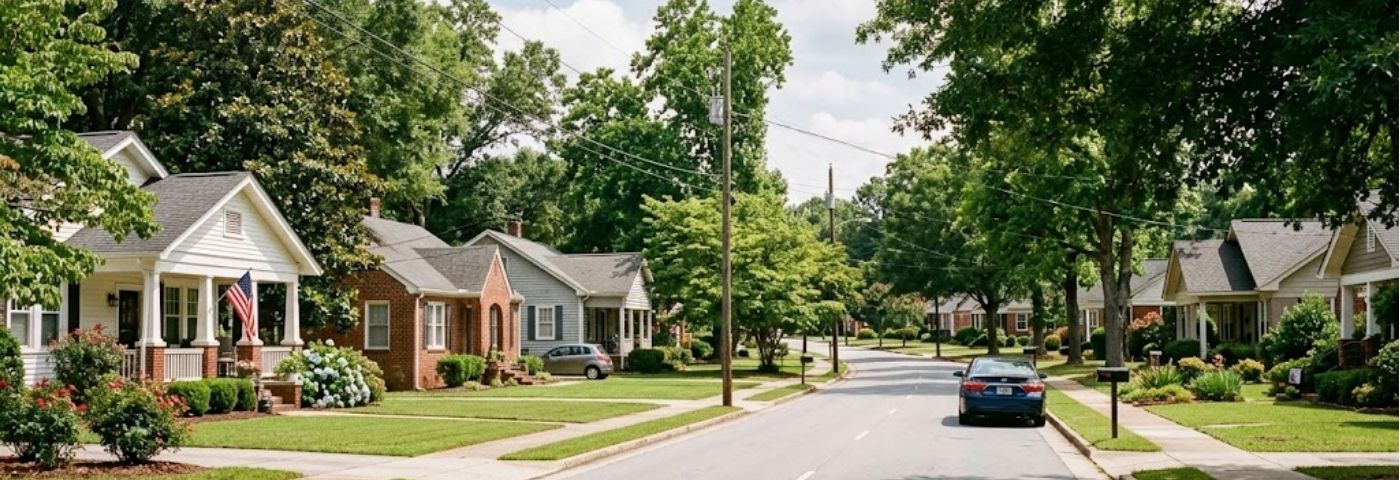
Byron's established residential neighborhoods have the post-war through 1990s building profile typical of Middle Georgia suburban development, house mice year-round, crawl space and foundation-zone access in older homes, and roof rat pressure on blocks with established canopy. We serve Byron residential and commercial on the same terms as all Middle Georgia addresses. For Byron's commercial warehouse and distribution sector, we offer the same programs as our Macon warehouse rodent control. Ongoing perimeter bait stations. Plus exclusion.
Byron has grown fast over the past two decades. I-75 distribution and logistics drove the growth. The warehouses and distribution centers run along the I-75 corridor just north of Byron. They operate 24/7. Truck traffic flows in and out without pause. Food and consumer goods move through. The rodent results are direct. The scale supports big Norway rat populations around the warehouses. Constant truck traffic brings new rodent populations on cargo. The surrounding open land gives rural-edge habitat. It keeps the outdoor population going between operational disturbance events. Byron commercial sites in or near the distribution corridor face heavy Norway rat pressure. The city's home-only blocks don't see it.
Byron's home growth has filled in older blocks. It's also added new subdivisions. Newer subdivisions have tighter building. But they still have standard utility entry points. The older Byron blocks have post-war crawl space and foundation-zone features. They're common in mid-century Middle Georgia housing. Peach County is Georgia's peach-growing center. So peach industry presence is heavy here. That adds harvest pressure in June and July. Orchards and processing facilities affect the surrounding habitat. Pecan orchards add a parallel fall harvest pressure dynamic. Byron's seasonal calendar follows farm cycles more than urban Macon does. We adjust our inspection timing to match.
Same day in most cases. Byron is about 20 miles south of Macon and within our standard same-day service area.
Heavy Norway rat pressure hits homes and businesses near the warehouse and logistics build-out. Loading-dock habitat and constant truck traffic sustain populations that don't follow the typical residential cycle.
Yes, including the I-75 corridor warehouse and distribution sector. Same documentation standards as our Macon commercial programs.