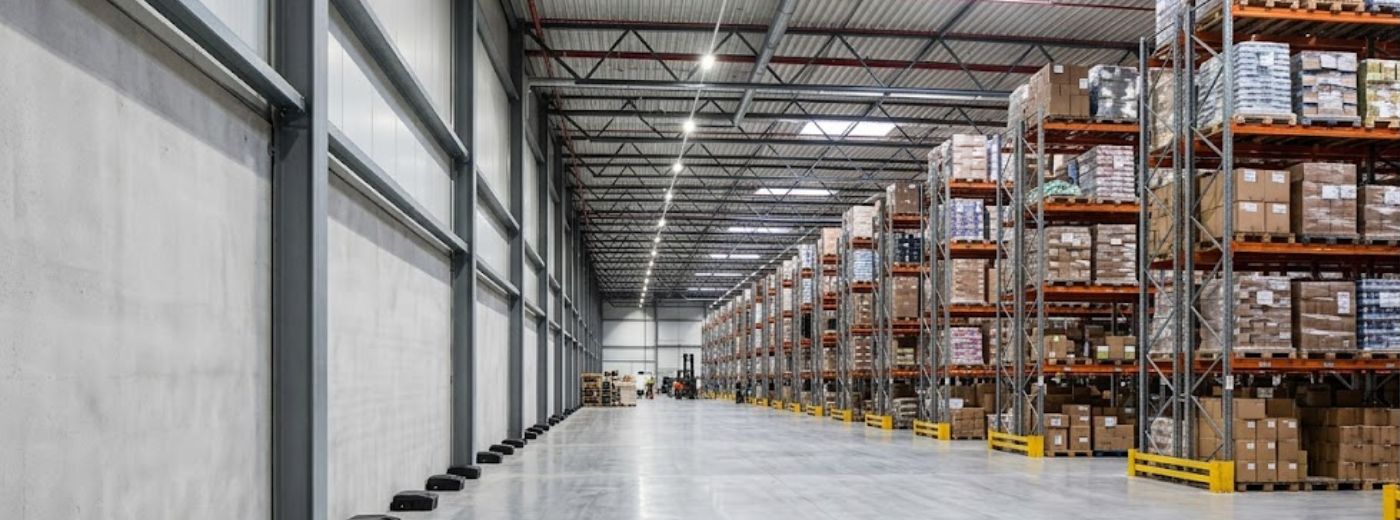
Loading dock threshold gap at Macon GA warehouse showing primary Norway rat entry point

Warehouse rodent control in Macon, GA

Bait station networks, loading dock exclusion, and perimeter programs for Bibb County storage and light industrial facilities. One-time treatment and ongoing monitoring programs, with the records that third-party audits require.

Call (844) 635-0403 All services Free Inspection · Same-Day Response · No Obligation
LicensedInsuredAudit-compatible recordsBait station programs

Warehouse rodent control in Macon, GA is more a perimeter management problem than a treatment problem. The Norway rat populations that pressure Bibb County warehouses live in the surrounding environment. They don't depend on any one facility's interior to survive. The main locations are the I-16 industrial corridor. The Tom Hill Sr Blvd and Eisenhower Pkwy storage belts. And the Ocmulgee-adjacent industrial properties on the east side of the city. They probe every dock threshold and foundation gap as part of normal foraging. A one-time treatment clears the current infestation. Without a kept-up perimeter program, the result lasts only until the next population cycle. Usually 60 to 120 days. Warehouse rodent control that lasts needs an ongoing program. Kept-up bait stations. Periodic inspection. Recorded service records. Not just a treatment visit when activity gets bad enough to notice.

One-time treatment vs. ongoing program, the honest comparison

Program typeWhat it addressesDuration of resultBest for
One-time treatmentCurrent infestation, active rodents inside the facility60–120 days before outdoor population re-establishes through same entry pointsNew facilities, isolated incidents, pre-inspection clearance
One-time + exclusionCurrent infestation + sealing of identified entry points12–36 months, depending on how many new gaps develop from settling, dock wear, etc.Facilities with clear, limited entry points and low ongoing perimeter pressure
Ongoing monitoring programCurrent infestation + kept up perimeter pressure reduction + recordsSustained management, re-infestation prevented rather than treatedAny facility near the Ocmulgee corridor, I-16 industrial, or Eisenhower Pkwy storage belt

Warehouse rodent control process

1

Facility perimeter inspection

Full exterior walk: all dock doors, dock seals, delivery entrances, foundation perimeter, utility penetrations, loading apron gaps. Interior inspection of any areas with confirmed activity. Bait station map drafted from perimeter measurement.

2

Interior treatment

Snap traps placed in non-product interior areas on confirmed activity runways. For food-grade facilities, trap placement recorded by location on the service map. No interior rodenticide. For non-food facilities, treatment options discussed on inspection.

3

Perimeter bait station work

We install tamper-resistant outside bait stations at set spacing around the full building perimeter. Extra stations go at every dock door. And at every high-activity zone we find. Each station assigned a map ID for service records.

4

Dock and foundation exclusion

Loading dock threshold gaps sealed with dock brush or dock seal replacement recommendations (we identify; work is facility upkeep). Foundation utility penetrations sealed with hardware cloth and sealant.

Macon warehouse rodent program, call for a free facility check

Call (844) 635-0403
Licensed & insured Locally owned, Vineville-based Founded 2023 24/7 emergency response

Macon warehouse locations with highest rodent pressure

Three Bibb County corridors generate the most warehouse rodent calls. All are driven by Norway rat populations in the surrounding landscape.

Frequently asked questions, warehouse rodent control in Macon

What are the most common rodent entry points in Macon warehouses?

Loading dock thresholds and dock seal gaps are the main entry points. The gap between the dock plate and trailer floor when no truck is present is one. The perimeter gap around worn dock seals is the other. Secondary entry points are also common. Overhead door bottom seal gaps. Utility penetrations through the foundation. Floor drain openings. Foundation vents on older warehouse buildings with partial crawl space sections.

How many bait stations does a Macon warehouse need?

One station every 50–100 linear feet of exterior wall, plus additional stations at all dock doors, delivery entrances, and high-activity zones. A 20,000 sq ft warehouse with 400 linear feet of perimeter and four dock doors would usually run 8–12 perimeter stations plus dock-specific placement. The inspection sets final count.

What records do you provide for warehouse programs?

We sign service reports after every visit. They include date. Property. Bait station map with IDs. Bait consumption by station. Inside snap trap activity. Any exclusion work done. Any major findings. For facilities with third-party audit requirements (food-grade warehouses), we can format reports to match specific audit protocol requirements.

How does a warehouse program differ from a single-treatment job?

A program is ongoing management rather than a one-time fix. Single treatments clear the current infestation but don't address sustained perimeter pressure from the surrounding environment. A program installs a kept up bait station network, conducts periodic inspections, and maintains the records that audits demand.

What's the most common rodent species in Macon warehouses?

Norway rats, dominant near the Ocmulgee corridor, I-16 industrial corridor, and downtown rail yards. House mice are secondary in facilities with interior food storage or adjacent landscaping. Roof rats are uncommon in industrial warehouses without adjacent tree canopy.

Do you handle food-grade warehouses in Macon?

Yes, with the right modifications. Outside-only bait stations. All placement recorded on a facility map. Service records that fit third-party food safety audits. Interior snap traps in non-product areas are acceptable when recorded. Share your specific audit standard (AIB, SQF, BRC) when you call.

How quickly can you respond to a warehouse rodent call in Macon?

Same-day inspection is standard for warehouse calls across Bibb County. For facilities with active infestation in product storage or an approaching compliance audit, we prioritize so. Call (844) 635-0403 with the facility address and situation.

How much does warehouse rodent control cost in Macon?

We quote per facility. A smaller warehouse under 10,000 sq ft runs $500 to $1,200. That covers one-time treatment plus basic exclusion. Larger industrial facilities use ongoing monthly programs. Pricing has two parts. Initial treatment. Plus a monthly fee based on station count and visit frequency. Call for a facility inspection and we'll quote at the end of the first visit.
Related services

📞 Call (844) 635-0403. Open 24/7